Private investigators gather facts, conduct surveillance, interview witnesses, and document evidence for clients that include law firms, insurance companies, corporations, and private individuals. Most specialize in one area — insurance fraud, legal investigations, corporate security, or digital forensics — though general investigators handle whatever comes through the door. The national median salary is $52,370 as of May 2024.

Hollywood has the gumshoe chasing suspects through rain-slicked alleys at midnight. The reality is that most investigative work happens in courthouse records rooms, on laptops running database searches, and in parked cars during stakeouts that last longer than anyone admits. That’s not a criticism — it’s what makes the job effective. Private investigators get results not because they’re daring, but because they’re methodical.
The field covers more ground than most people expect. PIs work for law firms preparing civil cases, insurance carriers investigating suspicious claims, corporations vetting potential acquisitions, government agencies running background checks on security clearance applicants, and private individuals dealing with everything from custody disputes to missing family members. The specialty shapes the work more than anything else.


Find Private Investigator Career Info For Your State
- Alabama
- Alaska
- Arizona
- Arkansas
- California
- Colorado
- Connecticut
- Delaware
- District of Columbia
- Florida
- Georgia
- Hawaii
- Idaho
- Illinois
- Indiana
- Iowa
- Kansas
- Kentucky
- Louisiana
- Maine
- Maryland
- Massachusetts
- Michigan
- Minnesota
- Mississippi
- Missouri
- Montana
- Nebraska
- Nevada
- New Hampshire
- New Jersey
- New Mexico
- New York
- North Carolina
- North Dakota
- Ohio
- Oklahoma
- Oregon
- Pennsylvania
- Rhode Island
- South Carolina
- South Dakota
- Tennessee
- Texas
- Utah
- Vermont
- Virginia
- Washington
- West Virginia
- Wisconsin
- Wyoming
What Private Investigators Actually Do
The core of PI work is information gathering — finding it, verifying it, and presenting it in a form clients can use. That plays out differently depending on the case, but the building blocks are consistent across specialties.
Surveillance is the most visible part of the job. Whether it’s documenting a workers’ comp claimant who’s been bowling twice a week despite claiming a back injury, or tracking activity at a location tied to a fraud case, surveillance requires patience and the ability to sit in a parking lot for hours without drawing attention. Video evidence is the gold standard — it’s hard to argue with footage.
Research and records work is where most cases actually get solved. Court filings, property records, business registrations, financial disclosures, social media — a skilled PI knows where public records reside and how to navigate them quickly. Digital footprints are often more revealing than physical surveillance, and they’re faster to access.
Interviewing rounds out the toolkit. Witnesses, neighbors, former colleagues — people know more than they think. A good interviewer surfaces details no database will show. The investigators who do it well tend to be naturally curious and comfortable asking uncomfortable questions without telegraphing where they’re headed.
Documentation closes every case. Clients need accurate, defensible records. In legal matters, improperly obtained evidence can be excluded. In corporate investigations, a report that fails to withstand scrutiny can expose the client to liability. The paperwork matters as much as the fieldwork.
Where Private Investigators Work
About 10.8% of private investigators are self-employed, according to Bureau of Labor Statistics employment projections — roughly one in nine working independently. The rest are wage and salary employees spread across several sectors. The breakdown matters if you’re weighing which path to pursue, because the employer type determines the caseload, the hours, and the career ceiling.
| Industry / Work Setting | Share of PI Workforce (2024) | Typical Work |
|---|---|---|
| Retail trade (loss prevention) | 32.4% | Shoplifting investigations, employee theft, organized retail crime |
| Investigation & security services | 16.0% | Contract investigations, background checks, surveillance assignments |
| Finance & insurance | 11.4% | Claims investigation, fraud detection, financial due diligence |
| Government | 7.9% | Security clearance background checks, fraud investigations, court-related work |
| Professional & technical services (incl. legal) | 6.7% | Litigation support, witness location, evidence gathering for attorneys |
| Self-employed | 10.8% | General investigations, domestic cases, contract work for firms |
Source: Bureau of Labor Statistics, Employment by Industry, 2024. Percentages represent the share of total PI occupation employment, including self-employed.
The retail trade figure warrants context. The BLS classifies a large share of investigators — particularly loss prevention personnel at general merchandise retailers — under retail trade, which is why that sector leads the table. These roles involve real investigative work: shoplifting, organized retail crime, employee theft, and internal investigations. But loss prevention at a big-box retailer is a different day-to-day than insurance fraud investigation or legal case support. Both count as investigative employment. They just look very different on the ground.
PI Specialties: What Each One Actually Involves
General Investigators
General investigators handle whatever comes through the door — missing persons, marital infidelity cases, custody disputes, debt collection work, and background checks for small employers. This is the most common setup for solo practitioners and small agencies. The caseload is unpredictable, which keeps the work interesting and the income variable. Investigators who go this route need to be adaptive. No two weeks look alike.
Legal Investigators
Legal investigators work alongside attorneys to build cases for litigation. They locate and interview witnesses, gather documentary evidence, research the facts of the case, and sometimes serve legal process. The work can be civil or criminal — defense-side investigators look for evidence that challenges the prosecution’s case, while those working for prosecutors or plaintiff’s attorneys are building it up.
Legal investigative work demands a solid working knowledge of evidence rules and court procedures. Collecting evidence in a way that renders it inadmissible doesn’t just lose the case — it can create liability. Many legal investigators come from law enforcement or have paralegal training, and some states treat legal investigation as a distinct licensing category.
Insurance Investigators
Insurance carriers and workers’ compensation programs employ large investigative teams to review claims for fraud. Insurance investigators observe claimants in the field, review medical and financial records, interview witnesses, and build documented case files that adjusters and attorneys can act on. Property cases may involve determining whether damage was accidental or deliberate — arson investigations often fall into this category.
This is one of the steadier paths in the field. Carriers have ongoing caseloads, the work is geographically concentrated, and the documentation standards are rigorous. Investigators who come from claims adjusting or law enforcement adapt quickly.
Corporate and Financial Fraud Investigators
Corporations hire corporate investigators to look both inside and outside the business. Internal work involves reviewing financial records, computer activity, and employee conduct in cases of suspected embezzlement, theft, or policy violations. External work includes due diligence before mergers and acquisitions — verifying that the financial picture a target company presents is accurate before a deal closes.
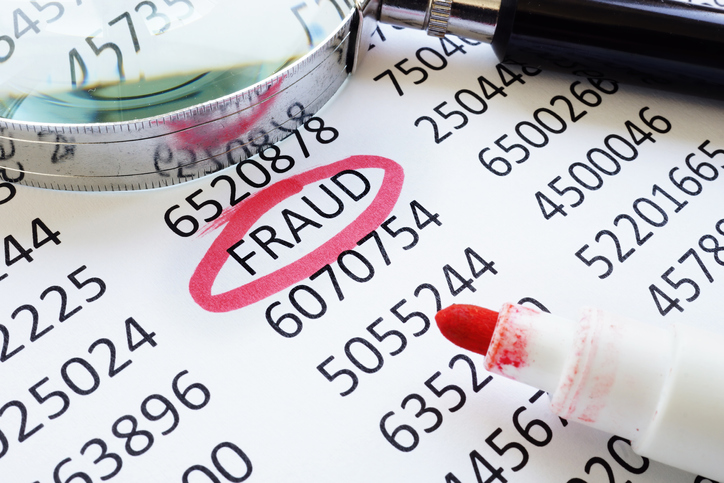
Corporate investigators often have accounting or finance backgrounds — a CPA credential carries real weight in this specialty. The cases are intellectually demanding: tracking fraud through layered transactions requires the same analytical patience as a complex audit, plus the investigative instincts to know what to look for when the numbers don’t add up.
Computer Forensics Investigators
Computer forensics investigators recover and analyze digital evidence — deleted files, communication records, network logs, compromised systems. As more crimes leave digital trails, demand for this specialty has increased in recent years. Corporate data breaches, intellectual property theft, fraud, and cyberstalking cases all produce digital evidence that requires specialized tools to collect and preserve properly.
Private investigators can pursue leads across jurisdictions — they aren’t bound by the departmental and geographic limits that govern law enforcement. That said, they must still comply with local laws and, in many cases, obtain appropriate licensing in any state where they conduct active investigations. Technical expertise is the entry requirement here — many come from IT security or military intelligence backgrounds.
Civil and Domestic Investigators
Domestic investigations — marital cases, custody disputes, asset searches in divorce proceedings — are bread-and-butter work for many general practice investigators. Surveillance, trash analysis for evidence, interviews, and social media research all play a role. Because subjects of these investigations often have a personal stake in not being found out, and because clients are emotionally involved, this work requires careful judgment about legal boundaries and personal safety.
The prevalence of no-fault divorce laws has shifted the business somewhat — proof of infidelity carries less legal weight than it once did — but custody cases and asset division disputes still generate consistent demand for documented evidence.
Missing Persons Investigators
Many missing persons cases involve voluntary disappearances — adults who’ve chosen to leave, whether from debt, a relationship, or a desire to start over. Police resources tend to go to cases with criminal indicators. A voluntary disappearance often gets low priority. Families who want answers hire investigators to find them.
Missing persons PIs follow financial and digital trails — bank activity, phone records, social media behavior — that indicate where someone has gone. Unlike law enforcement, they can pursue leads across state lines without departmental authorization, though they’re still subject to local laws and licensing requirements wherever they operate.
Arson Investigators
Arson investigators examine fire scenes to determine cause and origin. They analyze burn patterns, fire dynamics, and potential accelerant residues, and look for evidence of tampering in utilities or other physical evidence that distinguishes an accidental fire from a deliberate one. Insurance carriers are frequent clients — confirmed arson significantly changes both the claims outcome and the legal picture.
The work is part chemistry, part forensic investigation, and entirely dependent on processing a scene correctly before evidence degrades. Many arson investigators come from fire service backgrounds and carry certifications from the National Association of Fire Investigators or the International Association of Arson Investigators.
Skills That Transfer Into PI Work
The backgrounds that produce strong investigators are varied. Law enforcement experience is common but not universal — it builds evidence-handling discipline, interview technique, and an understanding of how the court system processes information. Military intelligence veterans bring surveillance tradecraft and the ability to work in ambiguous situations with incomplete data. Accounting and finance backgrounds feed directly into fraud investigation. IT and cybersecurity experience is increasingly valuable as cases develop digital components.
What most good investigators share, regardless of background: attention to detail that borders on obsessive, the ability to sit with tedious work without losing focus, and communication skills sharp enough to get people talking and to write a report that holds up under scrutiny. The dramatic moments are real. They’re just separated by a lot of careful, unglamorous effort.
Salary and Job Outlook
According to the Bureau of Labor Statistics, private investigators earned a median annual salary of $52,370 as of May 2024. The top 25% earned $75,310 or more and the top 10% reached $98,770. Mean annual wages were $61,680. All figures come from the same May 2024 BLS Occupational Employment and Wage Statistics dataset and reflect wage and salary employees, not including self-employed investigators.
The BLS projects 6% employment growth for private investigators between 2024 and 2034, with an average of 3,900 job openings per year — roughly in line with average growth across all occupations. These figures come from the BLS Employment Projections program and reflect both new positions and openings from workers leaving the occupation. Demand is steady rather than surging. The caseload for insurance fraud, corporate security, and legal support tends to track with broader economic activity.
Self-employed investigators set their own rates, which can significantly exceed those of salaried positions once a client base is established — but without the stability of an employer’s steady caseload. For state-specific salary figures, select your state from the finder above.
Frequently Asked Questions
What’s the difference between a private investigator and a police detective?
Police detectives are sworn law enforcement officers with the authority to arrest, execute warrants, and access law enforcement databases. Private investigators are civilians — they gather evidence and report findings to clients, but they can’t make arrests or compel anyone to cooperate. When a PI uncovers criminal conduct, they hand evidence to law enforcement rather than acting on it directly. The tradeoff is that PIs aren’t bound by jurisdictional limits and can pursue leads anywhere without departmental authorization.
Do you need a license to work as a private investigator?
Most states require a PI license, though requirements vary significantly. Many states require a combination of experience — often two to five years in law enforcement or a related field — plus a background check, a written exam, and a surety bond. Some states allow a criminal justice degree to substitute for a portion of the experience requirement. A few states, including Idaho and Wyoming, do not require a state PI license, though local permits or other regulations may still apply. Check your state’s licensing requirements for the specifics that apply to you.
Is prior law enforcement experience required to become a PI?
Not universally, though it’s the most common entry path. Many states accept experience from adjacent fields — insurance adjusting, paralegal work, military service, security work, or financial investigation — toward licensing requirements. Some states allow a criminal justice degree to offset a portion of the required experience hours. Candidates without a law enforcement background typically take longer to qualify but aren’t categorically excluded.
What does a typical day look like for a private investigator?
It depends heavily on specialty and the active caseload. A day might involve several hours of database research in the morning, a surveillance assignment in the afternoon, and report writing in the evening. Fieldwork and office work alternate rather than stay neatly separated. Hours are irregular — surveillance assignments follow the subject’s schedule, not a 9-to-5. Investigators who work domestic or custody cases often find that weekends and evenings are the busiest times.
Can private investigators carry firearms?
It varies significantly by state and often requires additional permits beyond the PI license itself — a standard PI license does not automatically authorize carrying a firearm. Some states allow it with a separate weapons permit. Others restrict or prohibit it entirely. Carrying a firearm isn’t required in most investigative specialties and is uncommon in day-to-day casework. Investigators working high-risk assignments or executive protection details are more likely to be armed. Check your state’s specific regulations before making any assumptions about firearms authorization.
Key Takeaways
- PI work is methodical, not dramatic. Surveillance, records research, interviewing, and documentation are the core tasks across every specialty.
- Retail trade employs the largest share of PIs. 32.4% of the workforce, primarily in loss prevention. Investigation and security firms (16.0%) and finance and insurance (11.4%) follow.
- Specialty determines the career path. Legal, insurance, corporate fraud, computer forensics, and domestic investigation each require different backgrounds and offer different income ceilings.
- The national median salary is $52,370 annually, with the top 25% earning $75,310 or more, per BLS May 2024 data.
- Job growth is projected to be steady at 6% through 2034, with an average of 3,900 annual openings nationally.
- Licensing is required in most states. Requirements vary. Use the state finder above to check what applies to you.
Ready to take the next step? Find out what licensing looks like in your state and explore education programs that can help you qualify faster.
May 2024 US Bureau of Labor Statistics salary and job market figures for Private Detectives and Investigators reflect state and national data, not school-specific information. Conditions in your area may vary. Data accessed May 2026.