
A medical malpractice investigator is a private investigator who specializes in gathering evidence for medical negligence cases. They review medical records, interview witnesses, consult clinical experts, and document facts that help attorneys, insurance companies, and patients determine whether a healthcare provider’s conduct fell below the accepted standard of care.
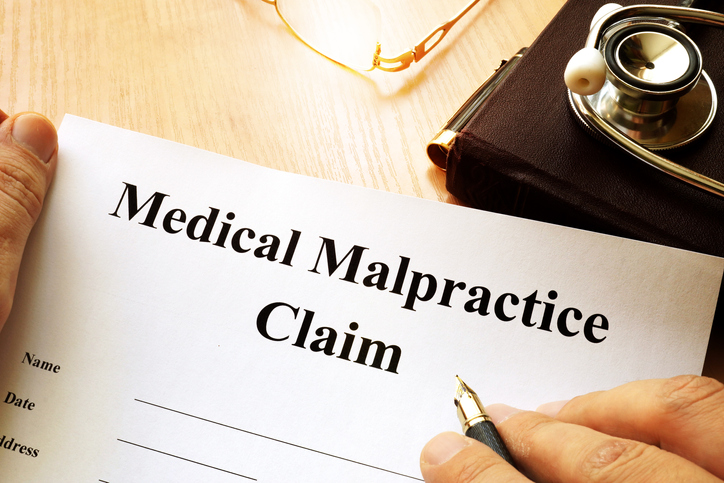
A patient comes out of a routine surgery with a serious infection nobody can explain. A family loses someone they were told had a simple diagnosis. An insurance company suspects a claim is exaggerated. In every one of these situations, somebody hires a private investigator — and the ones who specialize in medical cases are a different breed entirely.


Medical malpractice investigators sit at the intersection of investigative work and the healthcare system. They don’t practice medicine, and they can’t give legal advice. What they can do is gather the facts that support a case worth filing, or uncover those that point the other way.
What a Medical Malpractice Investigator Does
The core job is evidence. A medical malpractice investigator gathers the facts that establish what happened, when it happened, and whether it was preventable. That means tracking down medical records, locating witnesses, researching the healthcare provider’s history, and building a timeline that attorneys and medical experts can work from.
In most cases, an investigator is hired early, before a lawsuit is filed, and while the details are still fresh. Records are still accessible. Witnesses can still recall what they saw. The sooner the investigator is on the case, the less opportunity there is for details to be lost or memories to fade.
Unlike an attorney, a private investigator can’t subpoena records or compel testimony. But they can request documents with the client’s authorization, conduct recorded interviews, perform surveillance, and assemble the factual picture that tells a medical expert whether something went wrong and tells an attorney whether the case has merit.
Understanding Standard of Care
Everything in a medical malpractice investigation comes back to one concept: standard of care. In medicine and law, the standard of care refers to the level of treatment that a reasonably competent healthcare professional would provide under the same circumstances. It’s not a perfect standard — it’s a reasonable one.
When a patient alleges malpractice, the question isn’t whether something went wrong. Things go wrong in medicine even when everyone does their job correctly. The question is whether the provider’s conduct fell below what a reasonably competent professional would have done in the same situation. That’s the line between an unfortunate outcome and negligence.
Investigators don’t make that determination themselves. That’s the job of medical experts who review the case. But investigators build the record that those experts need to reach a conclusion. Without solid documentation, there’s nothing for an expert to assess.
The Three Elements of a Valid Malpractice Claim
For a medical malpractice investigation to produce anything legally useful, the facts gathered need to support three specific elements. Courts look for all three before a case can proceed.
- Doctor-patient relationship: The provider owed the patient a duty of care. This is usually the easiest element to establish, but investigators still document that a formal care relationship existed.
- Violation of the standard of care: The provider’s conduct fell below what a reasonably competent professional would have done. Medical expert testimony is required to establish this.
- Injury caused by the violation: The patient suffered a documentable injury that resulted directly from the negligence. An unfortunate outcome alone is not malpractice. The harm must trace back to the lapse in care.
There’s also a practical fourth consideration: significant damage. Medical malpractice cases are expensive to litigate. Expert witnesses, court fees, and attorney hours add up fast. If a patient suffered real negligence but the resulting harm was minor, the cost of pursuing the case may exceed any realistic recovery. A thorough investigator frames findings with this in mind, helping clients understand not just what happened but whether what happened is worth pursuing.
Who Hires a Medical Malpractice Investigator
Both sides of a malpractice dispute hire investigators, and the work looks different depending on which side you’re on.
On the plaintiff side, patients or their families hire investigators after a bad outcome that looks preventable. They want documentation of negligence: records showing a deviation from standard care, a provider with a history of complaints, or witness accounts that contradict the official version of events.
On the defense side, hospitals, healthcare systems, and accused physicians hire investigators when they believe a claim is weak or fraudulent. In one documented case, a PI firm retained by a defendant physician captured surveillance footage showing the plaintiff using an arm she had claimed was permanently disabled following surgery. The footage directly contradicted the alleged injury.
Attorneys on both sides also bring in investigators as part of their litigation teams. The investigator handles the factual groundwork (records, interviews, timelines, surveillance) while the attorney focuses on legal strategy. Government agencies and insurance carriers have their own investigators for malpractice-adjacent work, particularly billing fraud and insurance abuse. Those roles typically sit inside Special Investigations Units rather than private practice.
Before either side commits to expensive litigation, investigators serve as an early filter. Assessing the facts before a lawsuit is filed helps clients decide whether a claim has legs or whether dropping it saves everyone time and money.
Types of Medical Malpractice Cases
Medical errors can occur at any stage of the care process, from the initial appointment through post-discharge follow-up. Pinning down which type of error occurred and proving it requires understanding where things typically go wrong.
| Case Type | What Investigators Look For |
|---|---|
| Diagnostic errors | Missed or delayed diagnoses, failure to order appropriate tests, documented symptoms that were ignored |
| Surgical errors | Wrong-site surgery, anesthesia complications, post-op infections tied to surgical technique, incomplete informed consent documentation |
| Treatment failures | Hospital-acquired infections, premature discharge, failure to follow up or adjust a treatment plan |
| Obstetric errors | Birth injuries, failure to monitor fetal distress, and delayed C-section decisions |
| Medication and anesthesia errors | Wrong drug, wrong dosage, failure to account for drug interactions, anesthesia monitoring lapses |
Some cases take a darker turn. When evidence points to abusive practices or reckless disregard for patient welfare, the matter may raise potential criminal concerns, warranting coordination with law enforcement in addition to the litigation support work.
Common Tasks in a Medical Malpractice Investigation
The investigative process follows the evidence. Most cases start with a records review, then move into interviews and expert consultation as the factual picture comes into focus.
| Task | Purpose |
|---|---|
| Collect incident-related medical records | Establishes what diagnosis was made, what treatment was given, and what the documented outcome was |
| Obtain full medical history | Identifies pre-existing conditions that may complicate causation arguments |
| Research the provider’s complaint history | Prior malpractice claims, board actions, or disciplinary records can establish a pattern of care |
| Interview witnesses | Captures accounts from staff, other patients, and family while memories are still fresh |
| Take formal witness statements | Creates a signed, documented record of testimony that may be used in legal proceedings |
| Research drugs, procedures, and products used | Confirms whether treatments were appropriate and consistent with accepted protocols |
| Consult legal counsel | Ensures investigative activities stay within legal bounds and align with litigation strategy |
| Assemble a medical expert team | Clinical experts assess whether the standard of care was met; investigators document the facts, and experts opine on them |
| Establish a timeline of events | Identifies when key decisions were made, when the error may have occurred, and how quickly the situation escalated |
| Conduct surveillance | Used on both sides to document a subject’s actual physical condition or activity level |
Breaking Into Medical Malpractice Investigation
This isn’t a specialty you walk into fresh. Most investigators who do this work well arrived at it after years in fraud investigation, insurance claims, or the healthcare system itself, often both.
The most effective backgrounds combine investigative experience with healthcare or legal knowledge. Former nurses and healthcare administrators bring clinical fluency: they know what a chart is supposed to look like and can spot when something’s off. Former law enforcement and military investigators bring fieldwork instincts and experience gathering evidence under pressure. Paralegals and legal assistants understand what attorneys actually need from an investigation and how litigation works. A degree in criminal justice, nursing, forensic science, or paralegal studies can all support an application, but the combination of skills tends to be the differentiator in practice: enough medical knowledge to understand what you’re reading in a records review, and enough investigative experience to know what to do with it.
The related specialties that most often lead here are insurance investigation, fraud investigation, and legal investigation. All three involve similar methods: records review, surveillance, interviews, and report writing. A significant share of those cases involves the healthcare system anyway.
One credential worth pursuing is the Certified Legal Investigator (CLI) designation from the National Association of Legal Investigators. It’s designed specifically for investigators who work in civil litigation support, which is exactly what a medical malpractice investigation is. Attorneys and law firms recognize the CLI, and it signals that you understand how to build a factual record appropriate for litigation support.
Salary and Job Outlook
Private investigators, as a group, are seeing steady demand. The Bureau of Labor Statistics projects 6% employment growth for the occupation between 2024 and 2034, with an average of 3,900 job openings per year.
On compensation, the national median annual salary for private investigators was $52,370 as of May 2024, according to the BLS. Investigators in the top 25% earned $75,310 or more annually, and the top 10% reached $98,770. Medical malpractice is among the more complex and higher-stakes specialties within the field, which tends to command stronger compensation, but BLS data doesn’t break down earnings by specialty, so these figures reflect the full range of PI work.
Frequently Asked Questions
What’s the difference between a medical malpractice investigator and a medical examiner?
A medical examiner is a licensed physician who determines the cause of death for cases under government jurisdiction. A medical malpractice investigator is a licensed private investigator who gathers evidence for civil or criminal negligence cases on behalf of private clients. Different roles, different qualifications, and very different legal authority. Malpractice investigators work for attorneys, insurance carriers, and private clients, not government agencies.
Can a private investigator access a patient’s medical records?
Generally, only with written authorization. HIPAA restricts access to protected health information, so investigators working for the patient or their attorney typically use signed HIPAA authorization forms to request records. Defense-side investigators typically have more limited access to a plaintiff’s records than plaintiff-side attorneys would have through formal discovery processes. How records are obtained matters significantly. Improperly obtained evidence can become inadmissible and derail a case.
How long does a medical malpractice investigation take?
It depends on the scope. A records review with a few witness interviews might wrap up in a few weeks. Cases involving multiple providers, extensive documentation, or ongoing surveillance can run for months. Investigators are often engaged before a lawsuit is filed and may continue gathering facts through the litigation process itself.
Do you need a PI license to work in medical malpractice investigation?
If you’re operating as a private investigator in this area, yes. A valid state PI license is required in most states. Requirements vary by state but typically include a combination of investigative experience, a background check, and a licensing exam. Some states allow healthcare or legal experience to count toward the experience requirement. Check your state’s licensing page for the specifics before pursuing work in this area.
Key Takeaways
- The job is evidence, not opinion: Medical malpractice investigators document facts and build records for attorneys and medical experts. They don’t determine whether malpractice occurred.
- Standard of care is the benchmark: Investigations aim to show whether a provider’s conduct fell below what a reasonably competent professional would have done in the same situation.
- Three elements must be present: A viable malpractice claim requires proof of a care relationship, a violation of the standard of care, and an injury caused by that violation.
- Both sides hire investigators: Patients, families, attorneys, hospitals, and insurance carriers all use investigators to build or challenge malpractice claims.
- Breaking in requires a hybrid background: The most effective investigators combine investigative fieldwork with healthcare or legal knowledge. Insurance and fraud investigation are the most common stepping stones.
- The CLI credential is recognized within legal-investigation circles: The Certified Legal Investigator designation from NALI is sought by attorneys and signals expertise in civil litigation support.
- The field is growing: The BLS projects 6% growth for private investigators through 2034, with a national median salary of $52,370 as of May 2024.
Ready to build toward a specialty in medical investigation? Browse PI programs by state and find the education that fits where you want to go.
May 2024 US Bureau of Labor Statistics salary and job market figures for Private Detectives and Investigators reflect state and national data, not school-specific information. Conditions in your area may vary. Data accessed May 2026.