Becoming a private fire investigator typically means combining a background in firefighting or law enforcement with a Fire Science or chemistry degree, one or more certifications meeting NFPA 1033 standards, and a state PI license where your state requires one. Most private fire investigators work for insurance companies, using their findings to determine whether fires were accidental or intentionally set.
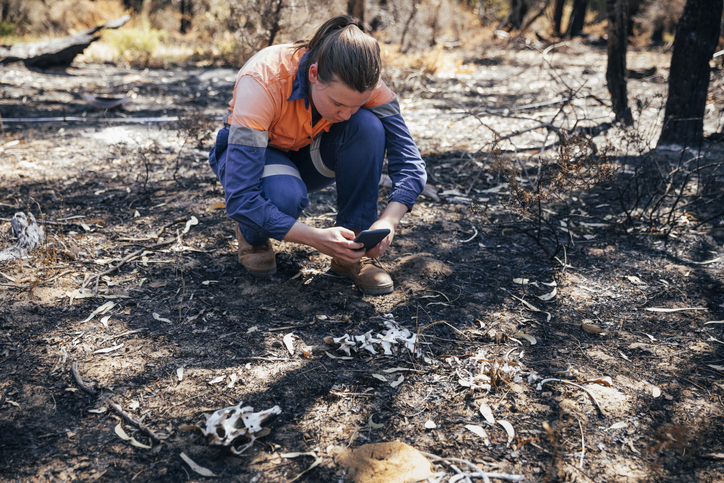
Most PI work involves surveillance, background checks, and interviews. Fire investigation is different. You’re working a scene where evidence has been deliberately destroyed, collecting samples from ash and debris, and reconstructing what happened from chemical residue and burn patterns. It’s as much forensic science as detective work. The stakes are real: arson results in significant financial losses each year, totaling hundreds of millions to billions of dollars depending on the year and reporting source, and some intentionally set fires occur in occupied structures.


Insurance companies have the strongest financial incentive to get to the bottom of suspicious fires, which is why the private fire-investigation field is largely driven by insurance work. These investigators step in where public fire departments and police agencies can’t, either because budget constraints limit their arson units or because the insurance company needs an independent determination before it can process a claim. It’s steady, specialized work, and it pays well.
What a Private Fire Investigator Actually Does
The job starts before the smoke clears. Private fire investigators are typically brought in by an insurance company shortly after a fire, sometimes while public fire officials are still processing the scene. Their goal is to determine origin and cause: where the fire started, and what started it.
Fire follows physical laws. Heat rises, oxygen fuels combustion, and accelerants leave chemical signatures that persist even after intense burns. A fire investigator who knows what natural burn patterns look like can spot the anomalies: multiple points of origin, irregular scorch marks, and the chemical traces of gasoline or lighter fluid in the floor joists. What looks like total destruction to a layperson is a readable record to a trained investigator.
Beyond the physical scene, private fire investigators reconstruct the circumstances surrounding the fire. That means pulling insurance policy records, reviewing ownership and financial documents, interviewing neighbors and witnesses, checking surveillance footage from nearby businesses, and running background checks on anyone with a financial interest in the property. Arson for profit follows patterns: recent policy increases, mounting debt, a business in decline. The investigator is building a timeline and looking for where those patterns intersect.
One meaningful difference between private and public investigators is operational flexibility. Private investigators are not bound by the same constitutional constraints as law enforcement, though statements they gather can still have legal implications and may be scrutinized if used in court. Evidence gathered by a private investigator may be turned over to law enforcement and used in prosecutions, provided it is lawfully collected and meets evidentiary standards. That flexibility, combined with freedom from the budget and jurisdictional constraints that limit public arson units, is a significant part of why insurance companies find private investigators worth the cost.
Private vs. Public Fire Investigator: What’s the Difference
This is a distinction worth understanding before you choose a path. Public fire investigators work for fire departments, law enforcement agencies, or state fire marshal offices. They have subpoena power and arrest authority, work criminal arson cases, and operate under the full weight of government procedure. It’s a government job with government pay and a government hiring process.
Private fire investigators work for insurance companies, law firms, or as independent contractors. They don’t have arrest authority, but they have greater operational flexibility than public investigators in certain respects, while still being bound by state licensing rules, applicable laws, and evidence-admissibility standards. Most private fire investigators’ work is civil rather than criminal, focused on determining liability, establishing cause for insurance purposes, or supporting litigation. The client is usually an insurer, and the deliverable is a detailed origin-and-cause report that can influence claim decisions worth hundreds of thousands of dollars.
Some private fire investigators come from public service. Former arson investigators or firefighters who hang out their own shingle arrive with scene experience, established contacts in local fire and police departments, and credibility that’s hard to build from scratch on the private side.
How to Become a Private Fire Investigator
There’s no single mandated path, but the combination that opens doors in this field is consistent: field experience, relevant education, certification that meets NFPA standards, and a PI license where required by your state.
Build a Relevant Background
Most private fire investigators come from firefighting or law enforcement. That experience gives you familiarity with fire scenes, an understanding of how investigations work, and contacts at the agencies you’ll coordinate with throughout your career. Former public arson investigators have an especially direct path: they’ve already done the work, just on the public side.
If you’re coming from outside those fields, relevant experience in insurance claims, forensic science, or criminal investigation can provide a foundation, though you’ll need to supplement it with substantial fire-specific training and certification before you’ll be competitive for private investigator roles in this specialty.
Get the Right Education
A degree in Fire Science is the most direct educational credential for this work. It covers fire behavior, combustion chemistry, building construction, and fire investigation methodology, which is exactly the technical foundation you’ll need. A strong background in chemistry and physics will serve you well regardless of your degree field, since the forensic side of fire investigation is fundamentally applied science.
Criminal justice degrees are relevant, particularly for the investigative and legal aspects of the work. Some private fire investigators hold degrees in both areas, or supplement a Fire Science degree with criminal justice coursework. Either way, you’re combining science with investigative method.
Get Certified
Certification is the professional standard in private fire investigation. Two organizations issue the most widely recognized investigator credentials in this field, and a third issues a closely related credential for fire and explosion work:
| Organization | Credential | Abbreviation |
|---|---|---|
| International Association of Arson Investigators (IAAI) | Certified Fire Investigator | IAAI-CFI |
| National Association of Fire Investigators (NAFI) | Certified Fire and Explosion Investigator | CFEI |
The IAAI-CFI is the most widely recognized investigator credential in the private sector. Regardless of which credential you pursue, the professional benchmark is compliance with the NFPA 1033 Standard for Professional Qualifications for Fire Investigator. Virtually every private arson investigation position requires a certification that conforms to NFPA 1033, so verify that any program you pursue meets that standard before enrolling.
Get Licensed as a Private Investigator
This is the step many people don’t anticipate. In many states, working as a private fire investigator for insurance companies requires holding a state PI license, because the investigation itself falls under the definition of private investigative work under state law. Requirements vary widely by state, and some states provide exemptions or alternative pathways for fire investigators working under an insurer’s or employer’s license. Some states have specific provisions for fire investigators. Others apply the standard PI licensing framework.
If you’re not sure what your state requires, our licensing guides by state break down the process for each jurisdiction, including any specialty provisions relevant to fire investigation work.
Fire Investigator Salary and Job Outlook
Private fire investigators are typically employed under the broader BLS occupational category of Private Detectives and Investigators. According to the U.S. Bureau of Labor Statistics (latest available data, May 2024), private investigators earned a median annual salary of $52,370, with the top 25% earning $75,310 or more. The highest earners in the top 10% cleared $98,770 annually.
Fire investigation is a specialized niche within that category, and specialists with strong certifications and insurance industry experience tend to land toward the higher end of those ranges. The work is also relatively stable: insurance companies have a continuing need for qualified investigators regardless of economic conditions, and the field doesn’t face the boom-and-bust cycles of some other PI specialties.
For job growth, the BLS projects approximately 6% employment growth for private investigators between 2024 and 2034, with an average of 3,900 job openings nationwide each year. That’s in line with the average for all occupations, and doesn’t account for turnover in the specialized fire investigation segment, where the pool of qualified candidates is narrower.
Most private fire investigators work directly for insurance companies or private investigation firms that have insurance contracts. A smaller segment works independently, taking cases on contract from insurers, law firms, or individuals. Independent work typically requires an established reputation and a network of referral sources, both of which take time to build but come naturally to someone with a background in public fire investigation.
Frequently Asked Questions
Do I need a PI license to work as a private fire investigator?
In many states, yes, though requirements vary widely, and some states provide exemptions or alternative pathways. Working privately on arson and fire investigation cases for insurance companies or law firms typically falls under the legal definition of private investigation in states that do require it. Check your state’s licensing board for the specific experience, exam, and bonding requirements that apply to your situation, and verify whether any fire investigator exemptions exist in your state.
What’s the difference between a fire investigator and an arson investigator?
The terms are often used interchangeably, but there’s a practical distinction. Every fire investigation starts as a cause determination: was this accidental, natural, or intentional? An arson investigation is what happens once intentional causation is suspected. Private fire investigators do both: they determine origin and cause first, and if evidence points to arson, they shift into investigating who set it and why.
Can I become a private fire investigator without a firefighting background?
Yes, but it’s harder to break in without it. Firefighting experience gives you practical knowledge of fire scenes, contacts in local departments, and credibility with insurance clients. If you’re coming from another field, you’ll need to compensate with strong certification credentials, relevant coursework in fire science and chemistry, and ideally some supervised field experience before going independent. Law enforcement and forensic science backgrounds are the most transferable starting points.
What certifications do I need to work in private fire investigation?
Most positions require a certification that meets the NFPA 1033 Standard for Professional Qualifications for Fire Investigator. The two most recognized credentials are the IAAI Certified Fire Investigator (IAAI-CFI) from the International Association of Arson Investigators and the Certified Fire and Explosion Investigator (CFEI) from the National Association of Fire Investigators. Both carry weight with employers in the insurance industry, and many private investigators hold more than one.
Who hires private fire investigators?
Insurance companies are the dominant employer, either directly or through PI firms that hold ongoing contracts with insurers. Some private fire investigators also take work from law firms handling fire-related litigation, corporate clients with fire losses, or private individuals seeking independent cause determinations on fires that don’t involve an insurance claim. Around 11% of private investigators overall are self-employed, according to BLS data, and that proportion is similar in the fire investigation niche.
Key Takeaways
- The work is forensic science plus investigation. Private fire investigators determine fire origin and cause using physical evidence, chemistry, and financial background research, then turn findings over to insurance companies or law enforcement.
- PI licensing requirements vary by state. Many states require a PI license for private fire investigation work, but some provide exemptions or alternative pathways. Check your state’s licensing board for specifics.
- NFPA 1033 compliance is the credential standard. The IAAI-CFI and NAFI CFEI are the most recognized private-sector credentials, and both should meet the NFPA 1033 requirements expected by virtually all private-sector employers.
- Firefighting or law enforcement backgrounds are the most common entry points, but candidates from forensic science, insurance claims, or chemistry can build a competitive profile with the right certifications and education.
- Salary and stability are solid. BLS data puts the median annual salary for private investigators at $52,370 as of May 2024, with top earners earning $98,770. The insurance industry demand provides consistent work regardless of economic cycles.
Ready to start your path in fire investigation? Find PI programs in your state and compare your options.
May 2024 US Bureau of Labor Statistics salary and job market figures for Private Detectives and Investigators reflect state and national data, not school-specific information. Conditions in your area may vary. Data accessed May 2026.