
To become a licensed private investigator in Pennsylvania, you must be at least 25 years old, a U.S. citizen, and have three years of experience working for a detective agency or as a law enforcement officer above patrol rank. Pennsylvania licenses PIs at the county level through the Clerk of Courts where you plan to work, not a state board. No written exam is required.
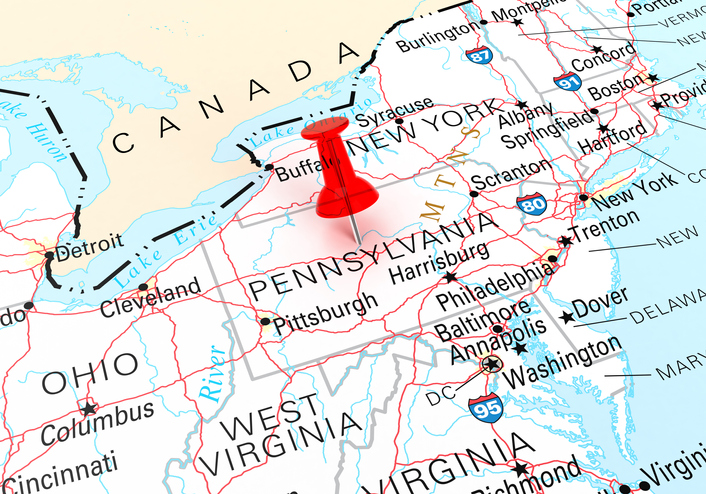
Pennsylvania does things its own way when it comes to PI licensing. While most states run applicants through a central state board, Pennsylvania issues licenses at the county level through the Court of Common Pleas. That means your license comes from the Clerk of Courts in the county where you plan to work — not from Harrisburg. The requirements are the same statewide, but fees, processing timelines, and some procedural steps vary by county. Know that going in, the process will make a lot more sense.


Whether you’re coming from law enforcement, starting with a detective agency, or working toward a solo practice, here’s how to get licensed and build a PI career in Pennsylvania.
 | Meet Pennsylvania Requirements to Obtain a License |
 | Obtain the Necessary Education and Training in Pennsylvania |
 | Submit Your Pennsylvania Application |
 | Start Work as a Private Investigator in Pennsylvania |
Step 1. Meet Pennsylvania Requirements to Obtain a License
Pennsylvania’s licensing requirements are set by the Private Detective Act of 1953. To qualify for an individual PI license, you must:
- Meet current citizenship or work-authorization eligibility requirements. Verify the current standard with the Clerk of Courts in your county before applying.
- Be at least 25 years old.
- Have three years of experience as either:
- An employee of a licensed detective agency, or
- A law enforcement officer at a rank above patrolman
- Pass a criminal background check (no written exam is required)
Pennsylvania law lists several criminal convictions that may disqualify applicants from licensure. The statute currently includes:
- Any felony
- Illegally using, carrying, or possessing a dangerous weapon
- Making or possessing instruments for burglary
- Unlawful entry into a building
- Aiding a prison escape
- Unlawfully distributing or possessing habit-forming narcotic drugs
- Pickpocketing or attempted pickpocketing
- Recklessly endangering another person
- Simple assault
- Soliciting a person to commit sodomy or other lewdness
- Making terroristic threats
Individual License vs. Detective Agency License
Pennsylvania issues two distinct license types. An individual PI license covers you as a solo investigator. A detective agency license is required if you plan to operate a business that employs other investigators. The individual license is what most applicants are after. The agency license has its own requirements and is a separate process from the Clerk of Courts.
What If You Don’t Have Three Years of Experience Yet?
You don’t need your own license to work on investigations in Pennsylvania. Many PIs start their careers as employees of a licensed detective agency, building the experience they need before applying for a solo license. If you’re early in the process, that’s the practical path: find a licensed agency, put in the fieldwork, and apply once you’ve logged the required experience. There’s no apprentice license category in Pennsylvania — but working under a licensed agency serves the same purpose.
Step 2. Obtain the Necessary Education and Training in Pennsylvania
Pennsylvania doesn’t require any formal education to become a licensed PI. What it requires is experience. Three years of it. That said, a criminal justice degree strengthens your application if you’re competing for positions at established detective agencies, and it builds the analytical and legal knowledge that makes you more effective in the field from day one.
Associate’s and bachelor’s programs in criminal justice are available at schools in Philadelphia, Pittsburgh, Allentown, and other cities across the state. Online programs are another option if you’re working full-time while you build your experience hours. Areas worth studying: investigative techniques, criminal law, surveillance operations, and evidence handling. These are the practical skills that translate directly to PI work.
Step 3. Submit Your Pennsylvania Application
Because Pennsylvania licenses PIs at the county level, your first call should be to the Clerk of Courts in the county where you plan to work. They’ll confirm the specific filing fee for that county and any local procedural requirements. Some counties require a hearing before issuing a license; others don’t. Get that information upfront before you gather your documents.
Statewide, your application must include:
- Fingerprint cards (for a PA State Police background check)
- Five character references from people who have known you for at least five years, with their signatures
- Two passport-size photographs
- A $10,000 surety bond
- A license fee of $200 for an individual license
In most counties, the District Attorney’s office reviews the application and conducts a background investigation before submitting a report to the court. Pennsylvania law includes a minimum statutory waiting period before a license can be issued, though actual processing timelines vary by county — some counties schedule hearings, which add to the timeline. Contact your Clerk of Courts for a realistic estimate before you file.
Step 4. Start Work as a Private Investigator in Pennsylvania
Once your license is issued, the state requires you to post it conspicuously at your place of business. Your county will also send you a pocket identification card. The license is valid for two years. Renewal requires a completed renewal form and confirmation that you’re still in compliance with the Private Detective Act. There’s no continuing education requirement to renew. Just keep a clean record and stay current with the Clerk of Courts in your county.
For networking and professional development, the Pennsylvania Association of Licensed Investigators (PALI) is the state’s primary professional organization for PIs. Membership gives you access to training events, industry contacts, and a peer network of licensed investigators across the state. Attorneys, insurance companies, and private individuals are the primary client sources for working PIs in Pennsylvania. Workers’ compensation fraud, insurance claims, and domestic cases make up a significant share of the workload.
Private Investigator Salary in Pennsylvania
According to the Bureau of Labor Statistics, private investigators in Pennsylvania earned a median annual salary of $51,220 as of May 2024, with a mean annual wage of $62,050. The top 10% of earners in the state brought in $89,300 or more. Pennsylvania employed approximately 1,550 private investigators as of that same period. For a national comparison, see our private investigator salary guide.
The BLS projects 5.7% employment growth for private investigators in Pennsylvania between 2022 and 2032, with an average of 160 job openings per year. That growth is driven by ongoing demand from insurance companies, legal firms, and corporate clients. These are the same sectors where most Pennsylvania PIs build their client base.
Private Investigator Salaries by Metro Area in Pennsylvania
Earnings vary by metro area. The table below shows May 2024 BLS data for the major Pennsylvania markets, with median annual wage, top 10% wage, and estimated employment count.
| Metro Area | Median Annual Wage | Top 10% Annual Wage | Employed PIs |
|---|---|---|---|
| Philadelphia–Camden–Wilmington | $51,610 | $106,200 | 680 |
| Pittsburgh | $50,390 | $76,460 | 510 |
| Harrisburg–Carlisle | $51,850 | $90,890 | 100 |
| Allentown–Bethlehem–Easton | $51,220 | $88,360 | 50 |
| Reading | $51,960 | $61,010 | 40 |
| Scranton–Wilkes-Barre | $48,430 | $72,310 | 50 |
Philadelphia is the clear outlier at the top end, the only PA market where the 90th percentile exceeds six figures. Harrisburg leads on median salary at $51,850, with a strong top-end number as well. Pittsburgh and Scranton trail on both metrics, but have the largest non-Philadelphia employment concentrations in the state.
Frequently Asked Questions
Do I need to pass a written exam to get a PI license in Pennsylvania?
No. Pennsylvania does not require a written examination for PI licensure. The main bar to clear is the experience requirement: three years working for a licensed detective agency or as a law enforcement officer above patrol rank, plus a clean criminal background check.
Can I work as a PI in Pennsylvania without a license?
You can work as an employee of a licensed detective agency without holding your own individual license. Many PIs build their required three years of experience this way before applying for a solo license. You cannot, however, operate independently or run your own PI business without an individual or agency license issued through your county’s Court of Common Pleas.
How long does it take to get a Pennsylvania PI license?
It varies by county. Pennsylvania law includes a minimum statutory waiting period before a license can be issued, but the full process typically runs longer than that minimum. The DA’s office conducts a background investigation, the court reviews the application, and some counties require a hearing before approval. Contact the Clerk of Courts in your county before you file to get a realistic timeline, and have your documentation ready to avoid unnecessary delays.
Does Pennsylvania require continuing education to renew a PI license?
No. Pennsylvania does not require continuing education for PI license renewal. Your license runs for two years, and renewal requires a completed renewal form confirming you’re still in compliance with the Private Detective Act. Staying current with your county’s Clerk of Courts is the main administrative requirement.
Key Takeaways
- County-level licensing — Pennsylvania doesn’t use a state licensing board. Your PI license comes from the Clerk of Courts in the county where you plan to work.
- Core requirements — You must be at least 25, a U.S. citizen, and have three years of qualifying experience as a detective agency employee or law enforcement officer above patrol rank.
- No written exam — Pennsylvania currently does not require a statewide written examination for PI licensure.
- Application package — Fingerprint cards, five character references, two passport photos, a $10,000 surety bond, and a $200 individual license fee.
- Two-year license — Renewable with no continuing education requirement.
- Entry pathway — If you don’t have three years of experience yet, start as an employee of a licensed agency and build toward your solo license.
- Salary outlook — Pennsylvania PIs earned a median annual wage of $51,220 as of May 2024, with the Philadelphia market reaching $106,200 at the 90th percentile.
Ready to build your PI career in Pennsylvania? Browse criminal justice programs in the state and find the training that fits where you’re headed.
May 2024 US Bureau of Labor Statistics salary and job market figures for Private Detectives and Investigators reflect state and national data, not school-specific information. Conditions in your area may vary. Data accessed May 2026.</p