
South Dakota is one of the few states that doesn’t require a PI license. To become a private investigator in South Dakota, you need to be at least 18, a U.S. citizen or legal resident, and obtain a sales tax license from the Department of Revenue. If you’re starting your own agency, you’ll also need to register your business with the state.
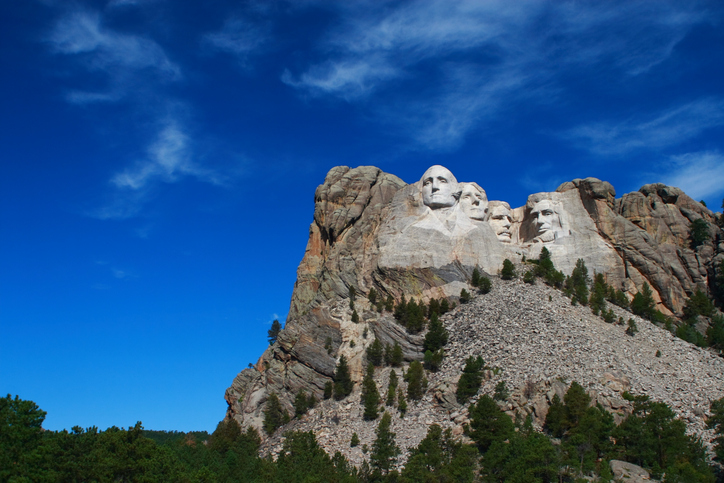
South Dakota takes a different approach to private investigation than most states. There’s no state licensing board, no mandatory training hours, and no written exam standing between you and your first case. What you do need is a sales tax license, a legally registered business, and the skills to back up your work — because in a market this small, your reputation is everything.
That low barrier to entry is real, but it cuts both ways. Without a license requirement to signal competence, you’ll need to build credibility on your own. The investigators who thrive here are the ones who come in with real experience — law enforcement, military, corporate security — or who invest in education and professional development before hanging out a shingle.


 | Obtain the Necessary Education and Training in South Dakota |
 | Set Up Your Business in South Dakota |
 | Obtain a South Dakota Sales Tax License |
 | Start Work as a Private Investigator in South Dakota |
Step 1. Obtain the Necessary Education and Training in South Dakota
South Dakota sets no education or training requirements for private investigators. That makes it one of the easiest states to get started in — but it also means the burden of proving your competence falls entirely on you.
Most PI work in South Dakota involves surveillance, background investigations, insurance fraud, missing persons, and due diligence for attorneys and businesses. The state’s rural character adds its own challenges: long distances between towns, limited public records infrastructure, and the need to understand local culture to conduct effective fieldwork. If you’re planning to work on or near one of South Dakota’s tribal reservations, be aware that you’ll typically need explicit permission before conducting any investigation on tribal land.
The most direct path to credibility is prior experience in law enforcement, the military, or corporate security. Clients in South Dakota — and the agencies you might work for — will want to know you’ve done this kind of work before. If you don’t have that background, a criminal justice degree or an online PI training program can go a long way toward filling the gap.
An associate’s or bachelor’s degree in criminal justice builds the analytical skills and legal knowledge that carry over directly into investigative work. Several South Dakota schools offer criminal justice programs in Sioux Falls, Rapid City, Yankton, Vermillion, and Mitchell. Online criminal justice programs are equally useful for this purpose and give you more flexibility if you’re working while you study.
Building Credibility in a No-License State
When any adult can legally call themselves a private investigator, a potential client’s first question is: Why should I trust you? Here’s how experienced investigators in states like South Dakota answer it:
- Work for an established agency first. Getting hired as a staff investigator builds real case experience, introduces you to the tools and databases the job requires, and gives you references you can use when you go independent.
- Pursue a national professional certification. Credentials from organizations like the National Association of Legal Investigators (NALI) or the United States Association of Professional Investigators (USAPI) signal competence even where state licensing doesn’t exist.
- Complete an online PI training course. Programs focused on surveillance techniques, interviewing, and skip tracing fill practical skill gaps that criminal justice degrees don’t always cover.
- Join a national industry association. There are no South Dakota-specific PI associations, but national organizations provide continuing education, peer networks, and public-facing credibility.
Step 2. Set Up Your Business in South Dakota
If you plan to work independently, you’ll need to establish a legal business entity before you take your first client. The two most common structures for solo investigators are sole proprietorships and LLCs.
| Business Structure | Register With | Personal Liability | Federal Tax ID Required |
|---|---|---|---|
| Sole Proprietorship | County Register of Deeds (if using a trade name) | Full — personal assets at risk | No |
| LLC | Office of the South Dakota Secretary of State | Limited — personal assets protected | Yes |
The LLC structure is worth the added registration step for most investigators. PI work carries real exposure — a client disputes your findings, a subject claims you invaded their privacy, a case ends up in court. Keeping your personal assets separate from your business is basic protection. Consult a tax professional about which structure makes the most sense for your situation.
Once your entity is established, all businesses operating in South Dakota must register with the Unemployment Insurance Tax Unit, regardless of whether you have employees.
You’ll also want to carry general liability insurance. South Dakota doesn’t mandate it for PIs, but most clients — especially law firms and corporations — will ask for proof of coverage before hiring you. The Department of Revenue may also require you to post a bond when you apply for your sales tax license, depending on the nature of your business.
Step 3. Obtain a South Dakota Sales Tax License
This is the one requirement South Dakota does enforce. Private investigation services fall under the state’s Sales and Service Tax, and if you’re operating as a business principal, you’re required to collect and remit sales tax. Working as an employee of an existing agency? The agency handles this — it only applies to independent operators.
South Dakota charges a 4% state sales tax on services. Additionally, roughly 53% of municipalities add a local tax on top of that rate. You’ll need to verify the applicable rate for every city where you’re providing services.
How to Apply for a Sales Tax License
The application is straightforward, and there’s no fee to obtain the license. You can apply online at dor.sd.gov, visit a local office in person, or call the Department of Revenue at 1-800-829-9188. Once approved, you’ll receive a license card in the mail.
South Dakota Department of Revenue local offices:
- Sioux Falls: 300 S Sycamore, Suite 102, Sioux Falls, SD 57110
- Rapid City: 1520 Haines Avenue, Suite 3, Rapid City, SD 57701
- Aberdeen: 14 South Main, Suite 1-C, Aberdeen, SD 57401
- Mitchell: 417 N. Main, Suite 112, Mitchell, SD 57301
Before you start work, also check with your city and county to confirm there are no local ordinances that apply to private investigation businesses in your area.
Step 4. Start Work as a Private Investigator in South Dakota
With your business registered and your sales tax license in hand, you’re legally cleared to take cases in South Dakota. Most investigators starting out in the state work for an established agency before going independent — it’s the fastest way to build the case experience and professional contacts that clients are looking for.
South Dakota’s PI market is small. The state employs roughly 40 private investigators, according to state-level data, which means the work tends to go to people who are already known quantities. Building a referral network with attorneys, insurance adjusters, and HR professionals is as important as any technical skill you bring to the job.
If you take cases that cross state lines — which is common given South Dakota’s location — you’ll need to comply with the licensing requirements of each state you operate in. Many neighboring states do require a PI license, so confirm the rules before you go.
Private Investigator Salary Information for South Dakota
The Bureau of Labor Statistics does not publish separate salary figures for South Dakota private investigators due to the small number of practitioners in the state. As a national reference point, the BLS reports that private investigators earned a median annual salary of $52,370 as of May 2024, with those in the top 25% earning $75,310 or more.
Salaries in South Dakota are generally below the national median, consistent with the state’s overall cost of living. Investigators who specialize in insurance defense, legal support, or corporate due diligence typically command higher rates than those doing general domestic work.
Frequently Asked Questions
Do I need a private investigator license in South Dakota?
No. South Dakota is one of a small number of states that don’t require a state-issued PI license. You don’t need to pass an exam, complete a training program, or apply to a licensing board. The only required credential for independent operators is a sales tax license from the South Dakota Department of Revenue.
What are the basic eligibility requirements to work as a PI in South Dakota?
You must be at least 18 years old and a U.S. citizen or legal resident. There are no criminal background check requirements at the state level for PI work specifically, though individual clients and agencies may conduct their own screening. If you’re applying to work for an established investigative firm, prior law enforcement, military, or investigative experience will carry significant weight.
How do I get a sales tax license in South Dakota?
Apply online at dor.sd.gov, visit a Department of Revenue office in person, or call 1-800-829-9188. The license is free. Once your application is processed, you’ll receive a license card by mail. The Department of Revenue may require you to post a bond depending on your business type, so ask about that when you apply.
How do I build credibility as a PI in a state with no licensing?
The most effective approach is prior professional experience — law enforcement, military, or corporate security gives clients an immediate frame of reference for your skills. If you don’t have that background, working for an established agency first, completing an online PI training course, and joining a national professional association like NALI or USAPI are all ways to establish credibility before you go independent.
Can I work cases in other states if I’m based in South Dakota?
South Dakota doesn’t license PIs, so there’s nothing to reciprocate with neighboring states. If a case takes you across state lines, you’ll need to comply with the licensing requirements of the state where you’re conducting the investigation. Minnesota, Wyoming, Nebraska, Iowa, and North Dakota all have their own PI licensing frameworks. Verify the rules before you go.
Key Takeaways
- No state PI license required — South Dakota doesn’t issue PI licenses and has no state licensing board for private investigators.
- A sales tax license is mandatory — Independent operators must obtain a sales tax license from the Department of Revenue before taking clients. There’s no fee to apply.
- Business registration is required — Set up a sole proprietorship or LLC and register with the appropriate state or county office before operating.
- Credibility is self-built — With no license to signal competence, prior law enforcement or military experience, a criminal justice degree, or national professional certifications, South Dakota PIs establish trust with clients.
- Out-of-state cases require extra diligence — Neighboring states have their own PI licensing laws. Confirm requirements before conducting investigations outside South Dakota.
Ready to take the next step? Find criminal justice programs in South Dakota that can give you the skills and credibility to launch your PI career.
May 2024 US Bureau of Labor Statistics salary and job market figures for Private Detectives and Investigators reflect state and national data, not school-specific information. Conditions in your area may vary. Data accessed May 2026.